فارسی
- English
- Español
- Português
- русский
- Français
- 日本語
- Deutsch
- tiếng Việt
- Italiano
- Nederlands
- ภาษาไทย
- Polski
- 한국어
- Svenska
- magyar
- Malay
- বাংলা ভাষার
- Dansk
- Suomi
- हिन्दी
- Pilipino
- Türkçe
- Gaeilge
- العربية
- Indonesia
- Norsk
- تمل
- český
- ελληνικά
- український
- Javanese
- فارسی
- தமிழ்
- తెలుగు
- नेपाली
- Burmese
- български
- ລາວ
- Latine
- Қазақша
- Euskal
- Azərbaycan
- Slovenský jazyk
- Македонски
- Lietuvos
- Eesti Keel
- Română
- Slovenski
- मराठी
- Srpski језик

آیا کنسول هوشمند مرکز دیسپاچینگ می تواند واکنش اضطراری را بهبود بخشد؟
در طول قطع برق، اختلال در ترافیک یا حادثه صنعتی، واکنش اضطراری به سرعت افراد میتواند اطلاعات پراکنده را به اقدام هماهنگ تبدیل کند. یککنسول هوشمند مرکز دیسپاچینگمیتواند با سازماندهی اطلاعات حیاتی، بهبود ارتباطات و کمک به اپراتورها برای حفظ دید واضح از موقعیتهای در حال توسعه، از این فرآیند پشتیبانی کند.
چرا اعزام اضطراری اغلب زمان ارزشمند خود را از دست می دهد؟
حوادث اضطراری به ندرت دنباله ای قابل پیش بینی را دنبال می کنند. اتاق کنترل ممکن است در عرض چند دقیقه آلارمها را از سیستمهای نظارت، تماسهای تلفنی از تیمهای میدانی، بهروزرسانی وضعیت تجهیزات و درخواستهایی از چندین بخش دریافت کند. هر پیامی ممکن است مفید باشد، اما چالش واقعی درک چگونگی تناسب اطلاعات با یکدیگر است.
هنگامی که اپراتورها باید به طور مکرر بین صفحه نمایش، ابزارهای ارتباطی و سوابق دستی جابجا شوند، جزئیات مهم را می توان نادیده گرفت. دو بخش ممکن است از به روز رسانی های مختلف کار کنند، در حالی که یک تیم میدانی قبل از اقدام منتظر تایید است.
این تاخیرها لزوماً ناشی از کمبود اطلاعات نیست. در بسیاری از موارد، مشکل این است که اطلاعات از طریق کانال های جداگانه بدون تصویر عملیاتی مشترک به دست می آید.
چگونه یک کنسول Dispatch از تصمیمات سریعتر پشتیبانی می کند
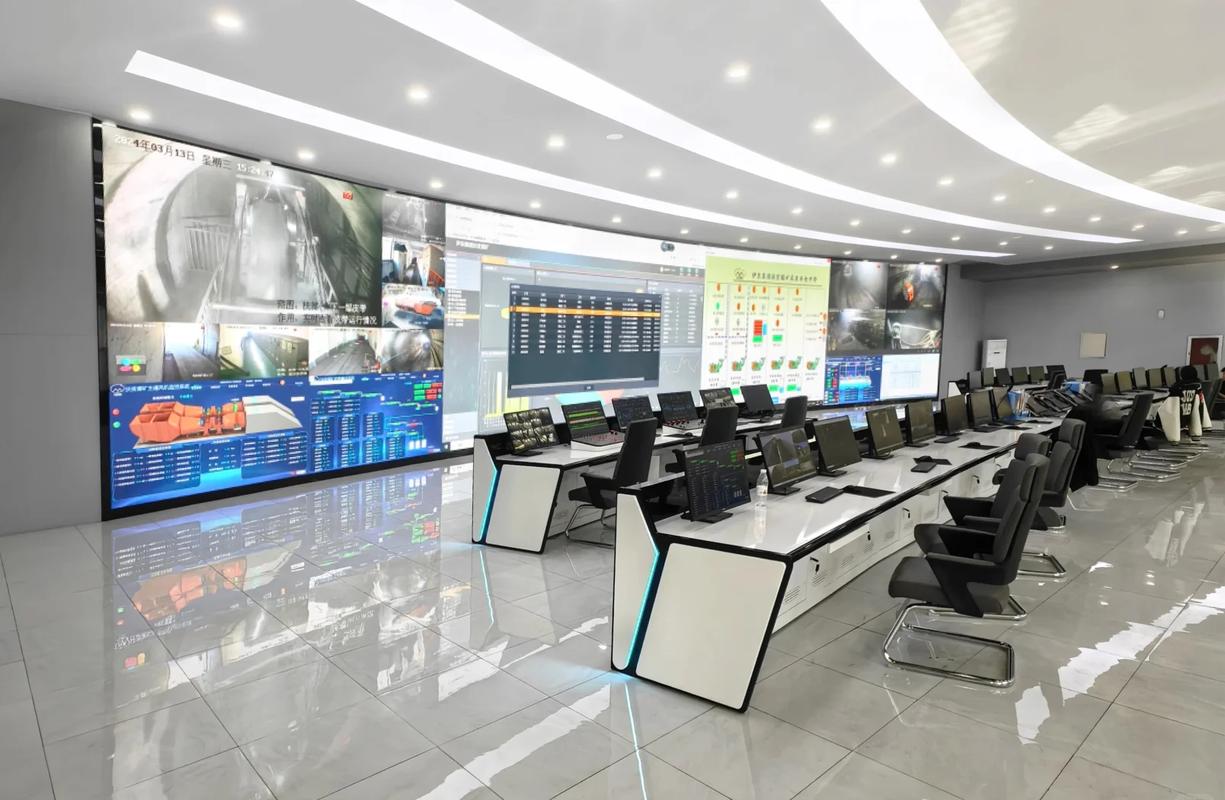
یک کنسول اعزام یک فضای کاری اختصاصی برای نظارت بر تجهیزات، ارتباط با تیم ها و مدیریت اطلاعات عملیاتی فراهم می کند. سهم آن در واکنش اضطراری بستگی به این دارد که ایستگاه کاری، سیستم های ارتباطی و ابزارهای دیجیتال چقدر با هم کار می کنند.
آوردن اطلاعات حیاتی در یک نمای
یک اتاق کنترل هماهنگ میتواند پیامهای هشدار، شرایط تجهیزات، مکانهای حادثه و پیشرفت پاسخ را در یک طرح ثابت نمایش دهد. اپراتورها می توانند بدون جستجوی مکرر در میان رابط های قطع شده، تشخیص دهند که کدام رویدادها نیاز به توجه فوری دارند.
به عنوان مثال، در طول یک قطع برق منطقه ای، اپراتورها ممکن است نیاز به مقایسه پست های آسیب دیده، بررسی آلارم های تجهیزات و برقراری ارتباط با تیم های تعمیر و نگهداری داشته باشند. یک چیدمان کنسول به خوبی سازماندهی شده کمک می کند تا این وظایف قابل مشاهده باشند و حرکت غیر ضروری بین ایستگاه های کاری را کاهش دهد.
بهبود ارتباطات بین تیم ها
واکنش اضطراری اغلب شامل چندین بخش می شود که تحت فشار زمان کار می کنند. اپراتورهای اعزام باید دستورالعمل های دقیق را به اشتراک بگذارند، به روز رسانی های مهم را ثبت کنند و پیگیری کنند که آیا اقدامات تعیین شده تکمیل شده است یا خیر.
یک محیط اعزام یکپارچه میتواند از طریق سیستمهای تلفن متصل، تجهیزات رادیویی، پایانههای داده و نمایشگرهای مشترک از ارتباط پشتیبانی کند. قرار دادن تجهیزات واضح و مدیریت سازمان دهی شده کابل نیز به در دسترس نگه داشتن کنترل های ضروری در طول عملیات طولانی مدت کمک می کند.
هدف صرفاً افزایش سرعت ارتباط نیست. این برای کاهش سوء تفاهم ها و اطمینان از این است که اطلاعات مربوطه در زمان مناسب به افراد مناسب می رسد.
آیا فناوری هوشمند می تواند مشکل بعدی را پیش بینی کند؟
نظارت دیجیتال و تجزیه و تحلیل داده ها فرصت های جدیدی را برای مراکز اعزام ایجاد می کند. به جای اینکه منتظر بمانند تا اپراتور متوجه هر قرائت غیرعادی شود، سیستم های متصل می توانند الگوهای غیرعادی را شناسایی کرده و بر اساس آستانه های پیکربندی شده یا مدل های تحلیلی هشدار صادر کنند.
به عنوان مثال، هشدارهای مکرر تجهیزات همراه با افزایش دمای عملیاتی ممکن است نشان دهنده یک نقص در حال توسعه باشد. یک پلت فرم نظارت می تواند الگو را برجسته کند و به اپراتورها اجازه می دهد قبل از جدی شدن وضعیت بررسی کنند.
هوش مصنوعی ممکن است بیشتر از طبقهبندی حوادث، بازیابی اطلاعات و تهیه خلاصههای عملیاتی پشتیبانی کند. با این حال، پیشبینیها تنها زمانی مفید هستند که دادههای اساسی دقیق و هشدارها قابل درک باشند. تصمیمات اضطراری هنوز نیازمند رویههای مشخص، قضاوت انسانی و مسئولیت روشن است.
یککنسول هوشمند مرکز دیسپاچینگبنابراین بهعنوان بخشی از یک محیط عملیاتی هماهنگ به جای یک مبلمان مستقل یا یک سیستم تصمیمگیری مستقل، بهتر عمل میکند.
کدام عوامل طراحی در اتاق کنترل اضطراری مهم هستند؟
حتی با پیشرفته تر شدن سیستم های دیجیتال، ایستگاه کاری فیزیکی همچنان مهم است. اپراتورها ممکن است برای شیفت های طولانی کار کنند، نمایشگرهای متعدد را زیر نظر داشته باشند و با هشدار کمی به حوادث پاسخ دهند. چیدمان ضعیف می تواند فشار فیزیکی و ذهنی غیرضروری را به نقشی که قبلاً نیاز دارد اضافه کند.
| در نظر گرفتن طراحی | چرا در مواقع اضطراری اهمیت دارد |
|---|---|
| چینش صفحه نمایش | هشدارهای مهم و نماهای عملیاتی را در دید شما نگه می دارد |
| ارگونومی | از عملکرد راحت در طول شیفت های طولانی پشتیبانی می کند |
| دسترسی به تجهیزات | دسترسی به وسایل ارتباطی و کنترل ها را آسان تر می کند |
| مدیریت کابل | اتصالات را منظم و فضای کاری را مرتب نگه می دارد |
| طرح مدولار | به تطبیق تجهیزات در حال تغییر و نیازهای سیستم کمک می کند |
| دسترسی به تعمیر و نگهداری | بازرسی و سرویس تجهیزات نصب شده را ساده می کند |
این ملاحظات در سراسر شبکه های برق، سیستم های حمل و نقل، تأسیسات ایمنی عمومی، کارخانه های صنعتی و سایر محیط هایی که نظارت مستمر در آنها ضروری است، مرتبط است.
طرح باید منعکس کننده رویه های کاری واقعی باشد. به عنوان مثال، یک اتاق اعزام حمل و نقل ممکن است اطلاعات مسیر و تجهیزات ارتباطی را در اولویت قرار دهد، در حالی که یک اتاق کنترل صنعتی ممکن است تأکید بیشتری بر نظارت بر فرآیند و آلارم تجهیزات داشته باشد.
اندازه گیری اینکه آیا واکنش اضطراری بهبود یافته است یا خیر
چیدمان کنسول یا رابط دیجیتالی جدید باید از طریق اقدامات عملی عملی ارزیابی شود تا اینکه به تنهایی ظاهر شود. شاخص های مفید شامل زمان مورد نیاز برای تأیید زنگ هشدار، دقت اطلاعات ارسال شده بین تیم ها، زمان مورد نیاز برای تعیین یک حادثه و تعداد خطاهای ارتباطی ثبت شده در طول تمرین است.
تمرینات اضطراری می تواند مشکلاتی را که عملیات معمولی ممکن است آشکار نسازد، آشکار کند. اگر اپراتورها به طور مکرر همان هشدارها را از دست بدهند یا برای یافتن کنترلهای ضروری تلاش کنند، ممکن است مشکل سازماندهی صفحه، طراحی گردش کار یا آموزش باشد تا خود فناوری نظارت.
بررسیهای منظم همچنین به بخشها کمک میکند تا بفهمند که آیا سیستمهای آنها دید مشترکی از رویدادها ارائه میدهند و آیا روشهای ارتباطی پشتیبان در هنگام خرابی سیستمهای اولیه در دسترس باقی میمانند.
نقش طراحی کنسول در مراکز اعزام آینده
از آنجایی که مراکز اعزام دستگاه های نظارتی، پلت فرم های ارتباطی و ابزارهای تحلیلی بیشتری را به یکدیگر متصل می کنند، طراحی ایستگاه کاری باید با نیازهای عملیاتی همگام باشد. Tianjin Temery Metal Products Co. Ltd. کنسولهای مانیتورینگ، کنسولهای کنترل، کنسولهای اعزام، کابینتهای شبکه و سیستمهای ویدئو وال تولید میکند. امکانات تولیدی آن در تیانجین شامل تجهیزات مدرن پردازش CNC و یک سایت تولید تقریباً 10000 متر مربع است که از کار آن در تجهیزات اتاق کنترل فلزی پشتیبانی می کند.
روند گسترده تر صنعت به سمت محیط های کنترلی است که طرح های فیزیکی واضح را با سیستم های اطلاعاتی متصل ترکیب می کند. فناوری میتواند به اپراتورها در شناسایی رویدادها و هماهنگ کردن پاسخها کمک کند، اما مدیریت مؤثر اضطراری همچنان به پرسنل آموزشدیده، ارتباطات قابل اعتماد، رویههای عملی و فضاهای کاری سازمانیافته بستگی دارد.
در نهایت، یککنسول هوشمند مرکز دیسپاچینگهنگامی که طراحی آن از دسترسی سریعتر به اطلاعات، هماهنگی واضح تر و تصمیم گیری سازگارتر پشتیبانی می کند، می تواند واکنش اضطراری را بهبود بخشد. ارزش آن در تعداد صفحهنمایشها یا وجود ویژگیهای پیشرفته نیست، بلکه در این است که چقدر به مردم کمک میکند در زمانی که هر دقیقه اهمیت دارد، پاسخ دهند.
اخبار مرتبط
- چرا کابینت اتاق کامپیوتر مدولار برای مراکز داده هوش مصنوعی در حال تکامل است؟
- The Quiet Work Horse of Critical Infrastructure: چرا سخت افزار کنسول مانیتورینگ سزاوار چرخه ارتقای خاص خود است
- آیا کنسول مانیتورینگ فردا به جای نمایش اعداد به صورت صوتی فعال و پیشگو خواهد بود؟
- مزایای اتاق های کامپیوتر مدولار
- عملکردهای کلیدی کنسول های عملیاتی
- چگونه می توانید کابینت شبکه مناسب را برای تجارت خود انتخاب کنید؟
برای من پیام بگذارید